
Car Wrap Orange County: Complete Cost & Style Guide
A car wrap Orange County drivers invest in can transform a vehicle’s appearance in days without touching a drop of paint. Whether you want a bold color change, a subtle chrome delete, or professional branding for a fleet, vinyl wraps have become the go-to upgrade for OC vehicle owners. In addition, they offer a practical layer of protection for the factory finish underneath. This guide walks through costs, materials, the installation process, and how to choose a shop that will get it right the first time.
Quick answer: A car wrap in Orange County typically costs between $2,500 and $6,000, takes three to five days to install, and lasts five to seven years with proper care. Costs vary based on vehicle size, vinyl quality, and design complexity.
What Is a Car Wrap?
A car wrap is a thin, adhesive-backed vinyl film applied directly over a vehicle’s existing paint. Unlike a repaint, it’s fully removable, which means the original factory finish stays intact underneath. As a result, wraps are a favorite among drivers who want flexibility to change their look again down the road.
Wraps come in dozens of finishes, including satin, matte, gloss, chrome, and textured carbon fiber patterns. Furthermore, they can cover an entire vehicle or just select panels, making them useful for both cosmetic upgrades and commercial branding. According to Wikipedia’s overview of vehicle wraps, the technique originated from sign and advertising vinyl before evolving into today’s full-body automotive films.
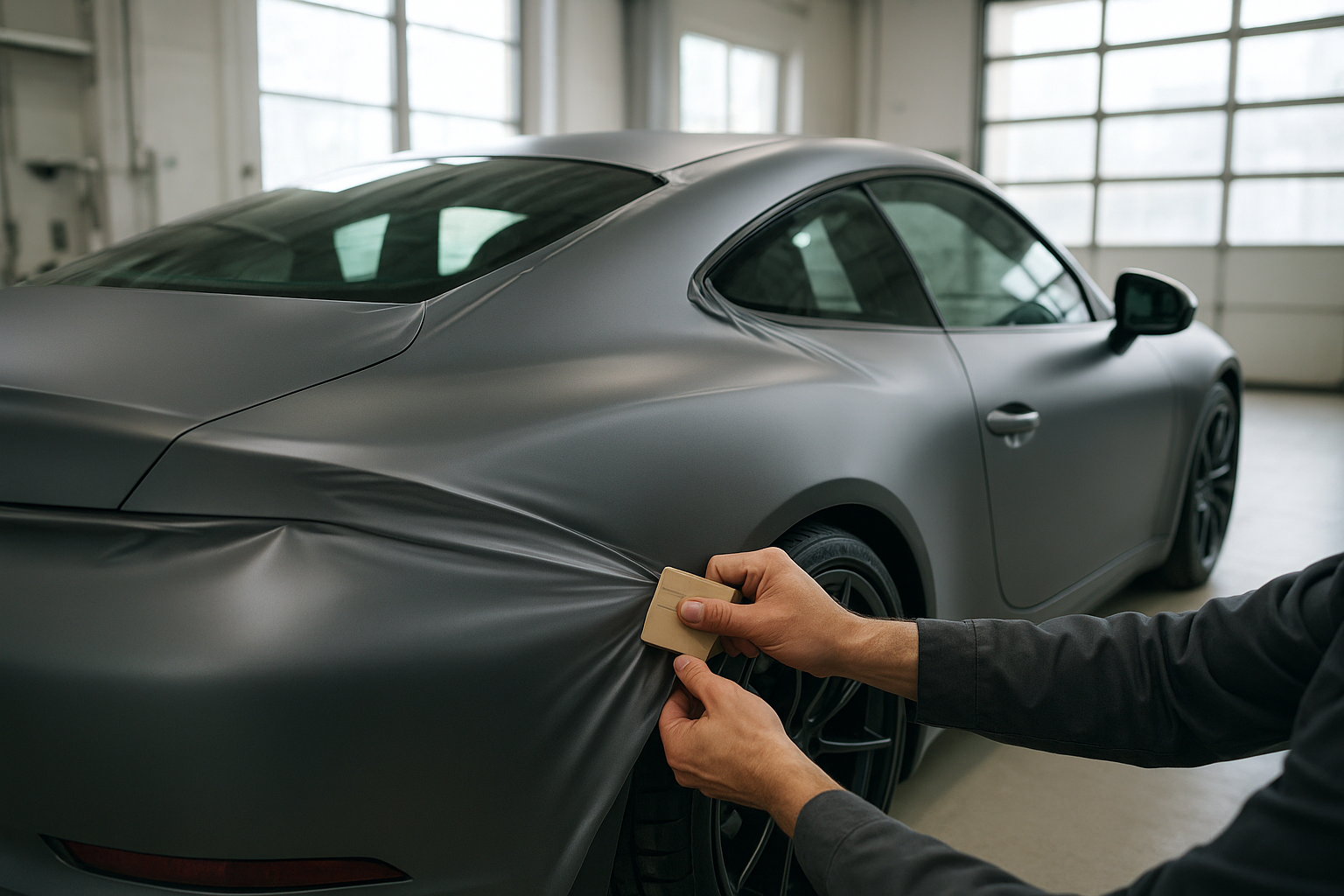
Precision installation is what separates a lasting car wrap Orange County vehicle owners can be proud of from one that peels within a year.
Why Choose a Car Wrap Orange County Drivers Trust
Orange County’s sunny climate and coastal drives make vehicles highly visible year-round, so it’s no surprise that customization is popular here. A well-installed wrap protects paint from UV fading and minor road debris while giving a vehicle a completely fresh identity. In particular, high-quality cast vinyl films from manufacturers like 3M typically last five to seven years when maintained correctly, which makes wrapping a smart mid-term investment compared to a full repaint.
Beyond aesthetics, wraps offer resale flexibility. Since the original paint remains untouched, removing the wrap later can reveal a factory-condition finish. Similarly, business owners benefit from wraps because fleet graphics turn everyday commutes into rolling advertisements. If you’re exploring options, browsing real vehicle color change examples is a helpful way to visualize finishes before committing.
Types of Vinyl Wraps and Vehicle Graphics Available
Not every wrap serves the same purpose. Understanding the categories helps narrow down what fits your vehicle and budget.
- Full color-change wraps: Cover the entire body for a complete transformation, available in gloss, matte, satin, or metallic finishes.
- Partial wraps: Target specific panels like the hood, roof, or mirrors for accent styling at a lower cost.
- Chrome deletes: Replace factory chrome trim with matte or gloss black vinyl for a cleaner, blacked-out look.
- Commercial fleet graphics: Consistent branding, logos, and contact information across multiple business vehicles.
- Paint protection film (PPF): A clear, self-healing film applied to high-impact areas to guard against rock chips and scratches, as detailed on Wikipedia’s paint protection film page.
Customers who like the idea of both style and protection often combine a color-change wrap with PPF on the front bumper and hood. Consequently, this hybrid approach delivers a fresh look while shielding the most vulnerable areas of the vehicle.
How Much Does a Car Wrap Cost in Orange County?
Pricing depends heavily on vehicle size, vinyl grade, and design complexity. Here’s a general breakdown to set expectations before requesting a quote.
| Service | Typical Price Range |
|---|---|
| Partial wrap or chrome delete | $600 – $1,800 |
| Full color-change wrap (sedan/coupe) | $2,500 – $4,500 |
| Full wrap (SUV/truck) | $3,500 – $6,000 |
| Commercial fleet vehicle graphics | Varies by fleet size and design |
Above all, the cheapest quote isn’t always the best value. Lower-grade calendared vinyl may save money upfront but often fades or cracks within two years, while premium cast vinyl holds its color and flexibility far longer.
The Car Wrap Installation Process
Wondering what actually happens once you drop off your vehicle? Here’s the typical sequence a professional shop follows.
- Meet with an installer to choose vinyl color, finish, and coverage while discussing budget and any custom graphics you want included.
- The vehicle is thoroughly washed, decontaminated, and inspected for existing paint damage that could affect vinyl adhesion during application.
- Technicians remove mirrors, handles, and trim pieces so the vinyl can be wrapped cleanly around edges instead of cut against obstacles.
- Installers stretch and heat the vinyl film panel by panel, using squeegees and heat guns to eliminate bubbles and ensure a smooth bond.
- Edges are trimmed precisely, panels are reattached, and the full vehicle is inspected under bright light to catch any lifting or imperfections.
Therefore, a rushed job that skips prep or heat-bonding steps is the most common reason wraps fail early. Choosing a shop that follows every step carefully makes a measurable difference in how the finish holds up.
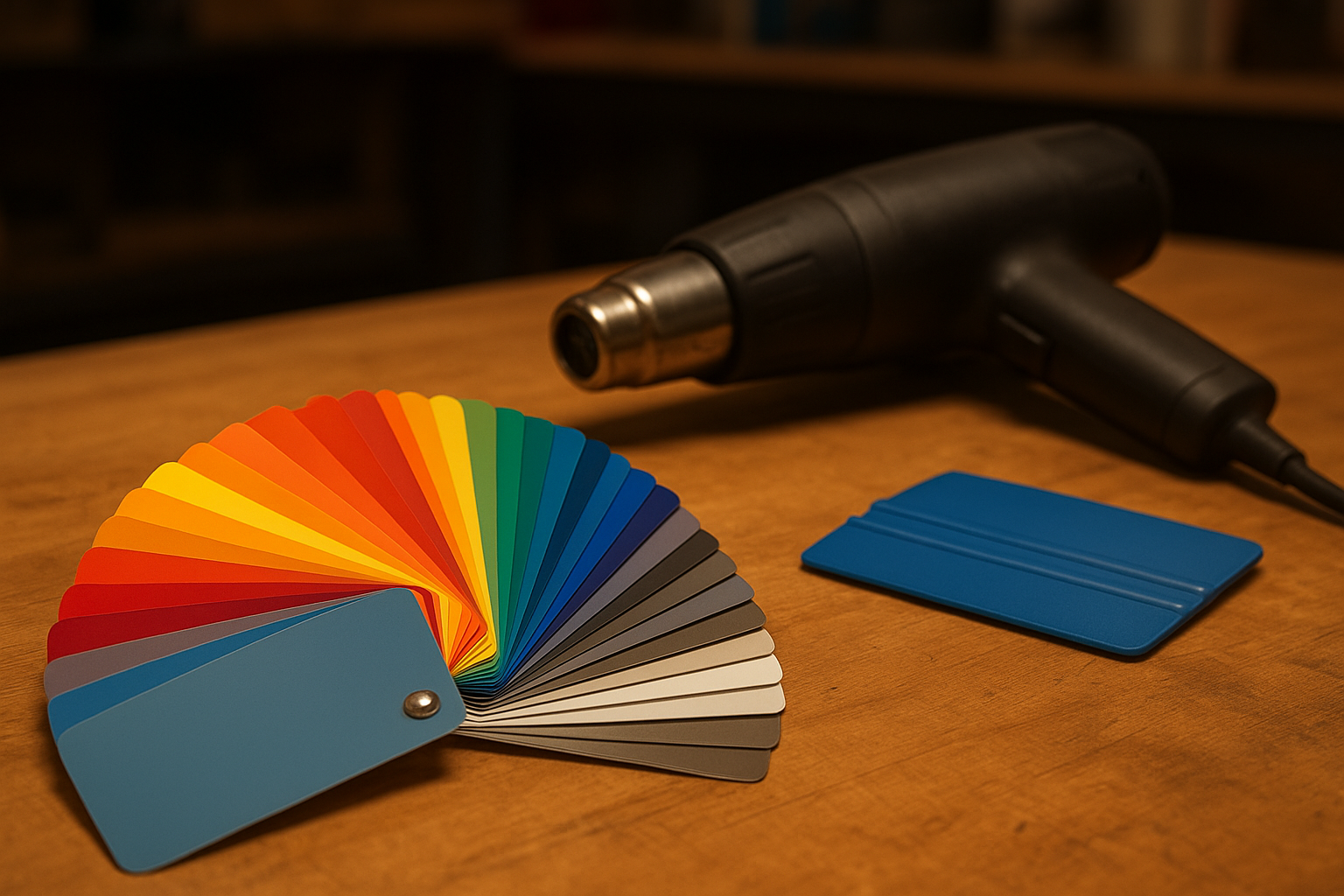
Choosing the right finish is one of the first steps toward a lasting car wrap.
Car Wrap vs. Paint Job: Which Protects Better?
In contrast to traditional paint, a wrap offers a removable layer that shields the factory finish from sun exposure and minor abrasions. Paint, on the other hand, is permanent and can be more difficult to repair uniformly if the color needs touching up later.
For drivers focused purely on protection, pairing a wrap with clear paint protection film on high-impact panels offers the best of both worlds. Interestingly, the same film technology used to protect vehicle paint is also used in residential security film applications for home windows, showing how versatile protective films have become across industries.
How to Choose the Best Orange County Wrap Shop
Not all installers deliver the same quality, so it’s worth doing a little homework before booking. Specifically, look for a shop that uses premium cast vinyl, shows a real portfolio of completed vehicles, and offers a workmanship warranty.
Reading feedback from past customers is one of the fastest ways to gauge reliability. For instance, checking customer testimonials can reveal how a shop handles communication, timelines, and unexpected issues. Additionally, many reputable installers run seasonal offers, so it’s worth checking a current special promotion before scheduling your appointment.
Caring for Your Wrapped Vehicle
Proper care extends the life of any wrap significantly. Hand washing with mild soap is strongly preferred over automatic brush car washes, which can lift edges and introduce fine scratches into the vinyl surface.
Parking in shade when possible reduces UV exposure, and promptly removing bird droppings or tree sap prevents staining. As a result, a well-maintained wrap can comfortably reach the upper end of its five-to-seven-year lifespan. For more guidance or to schedule a consultation, visit OC Wraps directly.
Frequently Asked Questions
What is a car wrap?
A car wrap is a large sheet of vinyl film applied over a vehicle’s factory paint to change its color, finish, or add graphics. Unlike paint, it can be removed later without damaging the original surface.
How much does a car wrap cost in Orange County?
A car wrap Orange County installer typically charges between $2,500 and $6,000 depending on vehicle size, vinyl grade, and design complexity. Partial wraps and chrome deletes cost less, while full-color-change wraps with custom graphics sit at the higher end.
How long does a car wrapping installation take?
Most full vehicle wraps take between three and five business days to complete. Complex custom designs or fleet graphics can take longer due to panel removal and precise alignment.
How long does a vehicle wrap last?
A quality cast vinyl wrap typically lasts five to seven years when properly installed and maintained. Sun exposure, washing habits, and storage conditions all affect longevity.
Is a car wrap Orange County drivers choose better than a paint job?
For most drivers, a car wrap Orange County shops install is a better value than repainting because it costs less and protects the factory finish underneath. However, paint offers a more permanent option for owners who never plan to change the color again.
Can I wrap a leased vehicle?
Yes, wrapping a leased vehicle is generally safe since the film can be removed before the lease ends. It’s still wise to check your lease agreement for any restrictions on modifications.
Does a car wrap damage the original paint?
A properly installed and removed wrap does not damage factory paint. In fact, it often protects the paint underneath from minor scratches, UV fading, and road debris during the time it’s applied.
What’s the difference between a full wrap and a partial wrap?
A full wrap covers the entire vehicle body for a complete color or finish change, while a partial wrap covers select panels such as the hood, roof, or mirrors. Partial wraps cost less and are popular for accents or business branding.
How do I maintain a wrapped vehicle?
Hand wash with mild soap, avoid automatic brush car washes, and park in shade when possible to extend the vinyl’s life. Regular maintenance keeps the finish glossy and prevents lifting at the edges.
What common mistakes should I avoid when choosing a wrap installer?
Avoid installers who skip surface preparation, use lower-grade calendared vinyl on daily drivers, or can’t show a completed portfolio. Rushed installations often lead to bubbling, lifting seams, and premature fading.
Can businesses use car wraps for fleet branding?
Yes, commercial fleet wraps are one of the most cost-effective forms of mobile advertising available. Consistent branding across multiple vehicles also builds recognition and trust with local customers.
Is window tinting legal in California, and can it be combined with a wrap?
California allows window tinting within specific darkness limits set by the California DMV vehicle code, and yes, tinting pairs well with a wrap for a cohesive finished look. A reputable installer will confirm legal tint percentages before installation.
What is the best time of year to get a car wrapped?
Mild, dry weather makes fall and spring ideal for installation since humidity and temperature affect vinyl adhesion. That said, professional shops with climate-controlled bays can wrap vehicles year-round in Orange County.
In summary, a car wrap Orange County drivers choose can deliver a completely new look while protecting the factory paint underneath, all for less than the cost of a full repaint. From selecting the right vinyl finish to understanding installation timelines and upkeep, being informed helps you get a result that looks sharp and lasts for years. Whether you’re after a bold color change, a subtle chrome delete, or professional fleet branding, working with an experienced local installer makes the difference between a wrap that lasts and one that fails early.