Paint Protection Film for Commercial Fleets Orange County
Paint protection film for commercial fleets Orange County is becoming a standard investment for business owners who rely on their vehicles to represent their brand every day. Whether it’s a landscaping truck, a delivery van, or a branded service fleet, the paint and graphics take a beating from freeway debris, parking lot scrapes, and relentless Southern California sun. Fortunately, a clear protective film can keep that investment looking sharp for years.
Direct answer: Paint protection film for commercial fleets Orange County is a transparent, durable urethane layer installed over paint and graphics to prevent chips, scratches, and UV fading. It extends the life of a vehicle’s finish and reduces the frequency of costly repaints or re-wraps.
What Is Paint Protection Film for Commercial Fleets Orange County?
Paint protection film, often shortened to PPF, is a self-healing, optically clear layer applied directly over factory paint or vinyl graphics. Unlike a wax or sealant, it physically absorbs impact from rocks, gravel, and road debris. For Orange County fleets specifically, the film also resists the intense UV exposure that comes with driving through coastal and inland heat throughout the year.
In addition, many fleet operators choose PPF because it can be applied over existing branded wraps. As a result, the artwork underneath stays protected from fading, peeling, and chipping without altering the vehicle’s appearance.
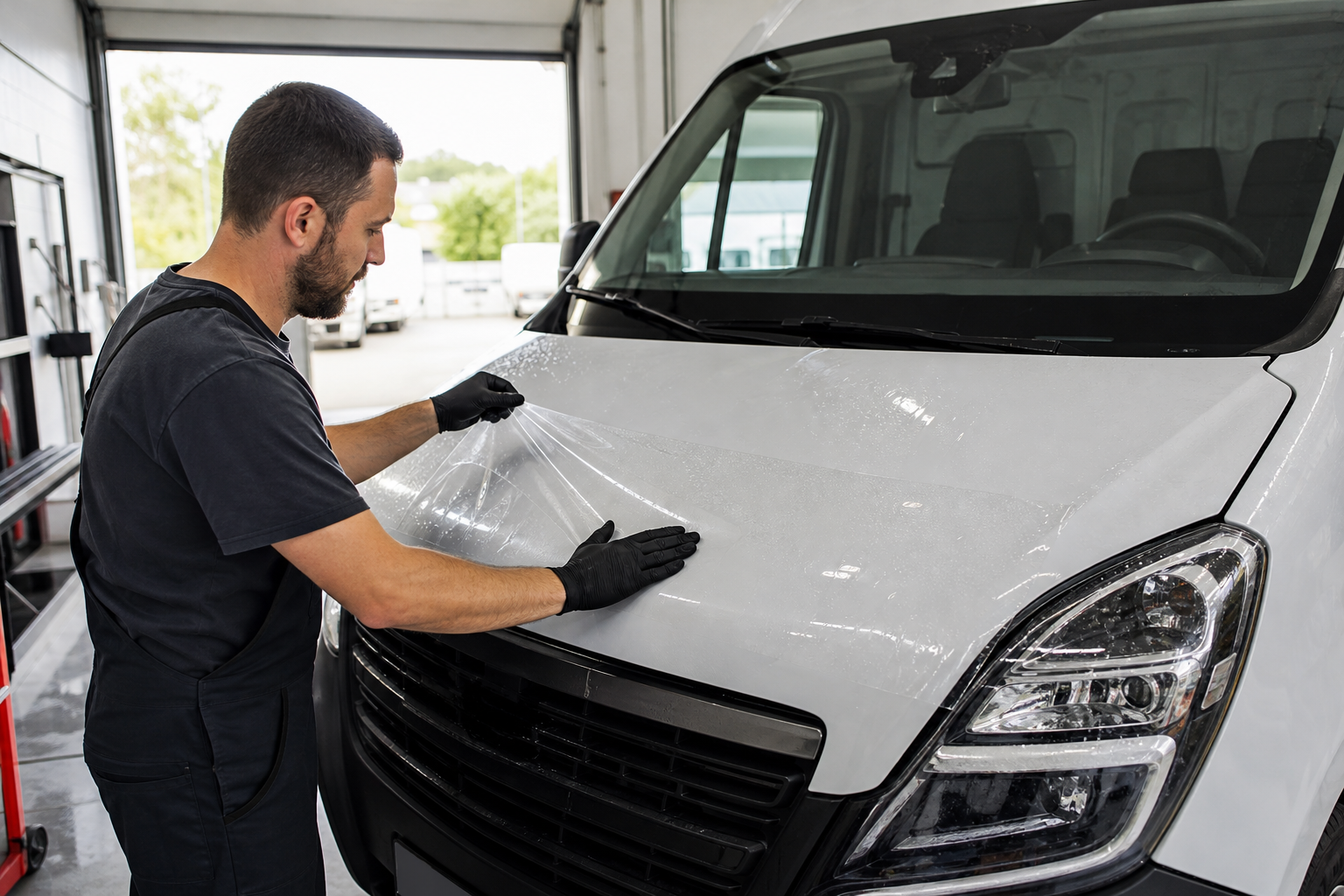
Precise, bubble-free application is central to paint protection film for commercial fleets Orange County businesses depend on.
Why Orange County Fleets Need Fleet Paint Protection
Orange County’s dense freeway network, coastal salt air, and high annual sun exposure create unusually harsh conditions for daily-driven work vehicles. Consequently, fleet vehicles tend to accumulate paint damage faster than personal cars that see lighter use.
According to the U.S. Department of Transportation’s Federal Motor Carrier Safety Administration, commercial fleet vehicles often log significantly higher annual mileage than personal vehicles, which naturally increases exposure to rock chips and surface abrasion. Therefore, protective film is less of a luxury and more of a practical maintenance decision for businesses that depend on their vehicles looking professional.
Furthermore, a damaged or faded vehicle sends an unintentional message to customers about a company’s attention to detail. A clean, protected fleet, on the other hand, reinforces trust before a technician even steps out of the truck.
Key Benefits of Commercial Vehicle Paint Protection
- Chip and scratch resistance: Shields paint and graphics from road debris on daily routes.
- UV and oxidation defense: Reduces fading from prolonged sun exposure common in Southern California.
- Brand consistency: Keeps logos and graphics crisp across an entire fleet.
- Lower long-term costs: Delays the need for repaints or full re-wraps.
- Higher resale value: Preserves paint condition when vehicles are rotated out of service.
To see how these benefits apply beyond fleets, you can explore the full benefits of paint protection film for Orange County drivers, which covers everyday passenger vehicle use cases as well.
PPF vs Ceramic Coating vs Vehicle Wraps for Fleets
Choosing between film, coating, and wraps often depends on a fleet’s priorities. Specifically, some businesses prioritize impact protection, while others focus purely on branding visibility.
| Option | Primary Purpose | Best For |
|---|---|---|
| Paint Protection Film | Impact and UV protection | High-mileage, daily-use fleets |
| Ceramic Coating | Gloss and easy cleaning | Fleets prioritizing shine between washes |
| Vehicle Wraps | Branding and color change | Fleets needing visible identity |
In many cases, combining options delivers the best results. For a deeper comparison, see this comparison of full wraps versus paint protection film to decide which approach fits a specific fleet’s goals.
How Much Does Fleet PPF Installation Cost in Orange County?
Costs vary based on vehicle size, coverage area, and film quality. Partial-front packages, which cover the hood, bumper, mirrors, and fenders, typically cost less than full-vehicle coverage. However, fleet operators servicing multiple vehicles at once often receive volume pricing that reduces the per-vehicle rate.
For a detailed cost breakdown, this complete paint protection film cost and benefits guide outlines typical pricing tiers and what influences them. According to SEMA, the specialty automotive equipment industry, which includes protective films and coatings, continues to see steady growth as businesses and individual owners invest more in vehicle appearance and longevity.
The Fleet PPF Installation Process
Understanding the installation process helps fleet managers plan vehicle downtime accordingly. Below is the typical sequence followed for commercial fleet jobs.
- Fleet assessment and consultation: A technician reviews paint condition and recommends coverage levels based on vehicle use.
- Surface decontamination: Panels are washed and clay-barred to remove embedded debris before application.
- Precision film cutting: Film is cut to match body lines and contours using digital patterns or hand-trimming.
- Application and squeegee work: The film is applied with slip solution and carefully pressed to remove air bubbles.
- Edge sealing and inspection: Edges are heat-sealed and checked under direct light before the vehicle returns to service.
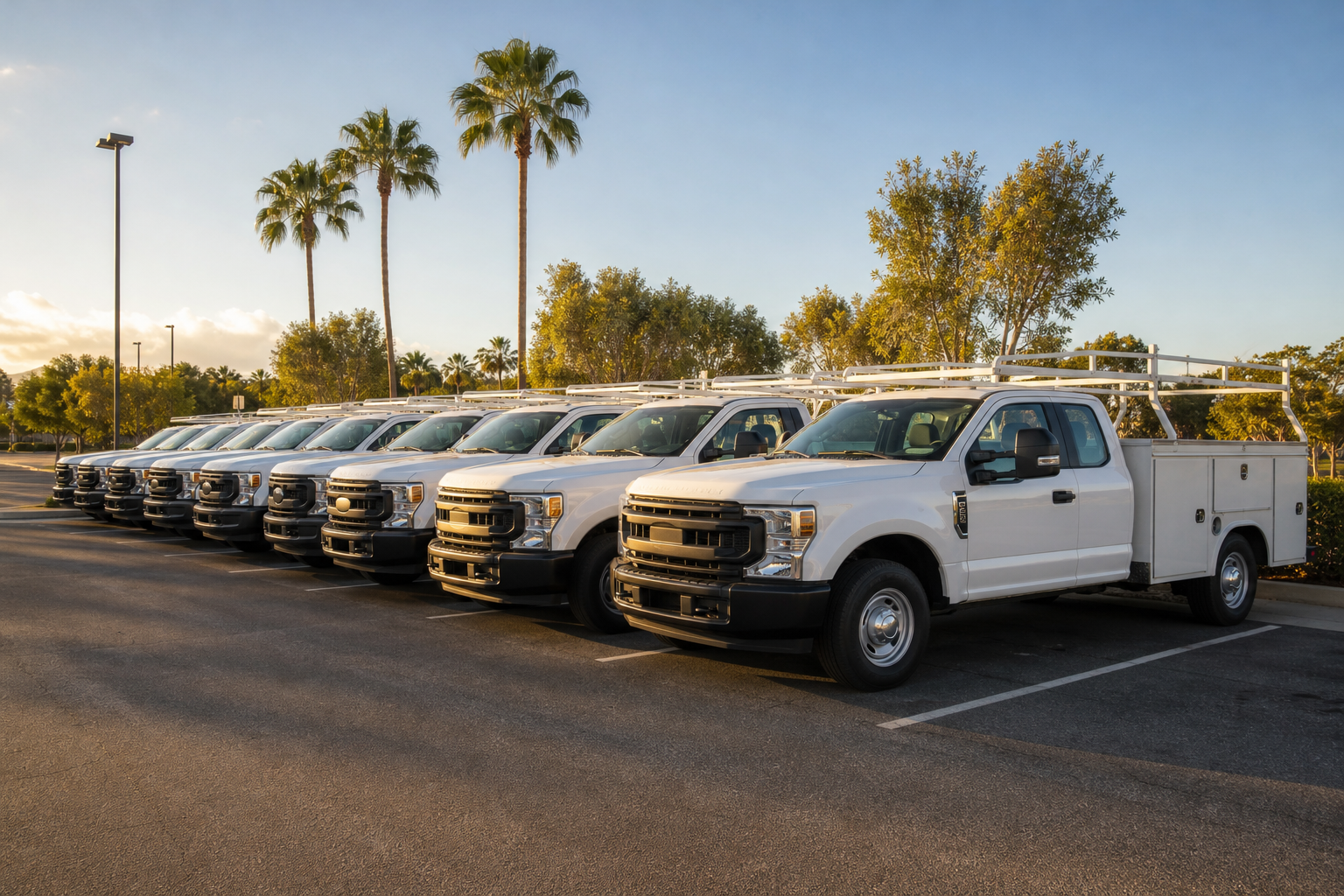
A well-maintained fleet reflects positively on every job site across Orange County.
Choosing an Orange County PPF Installer for Your Fleet
Not every installer has experience handling multi-vehicle commercial jobs. Therefore, it helps to ask about scheduling flexibility, batch pricing, and whether the shop can work around a fleet’s operating hours to minimize downtime.
In particular, look for installers who demonstrate precision work on panel edges and door jambs, since poor trimming is one of the most common signs of a rushed job. OC Wraps focuses on clean, bubble-free finishes built to hold up under daily driving conditions, which matters most for vehicles that rarely get a day off.
For trucks specifically, this guide to paint protection for trucks in Orange County covers additional considerations like bed liners and tailgate protection. Fleet managers can also review this complete PPF installation guide for Orange County before scheduling service.
As defined by Wikipedia, paint protection film is a thermoplastic urethane material originally developed for military and aerospace use before being adapted for automotive applications, which speaks to its durability under repeated stress.
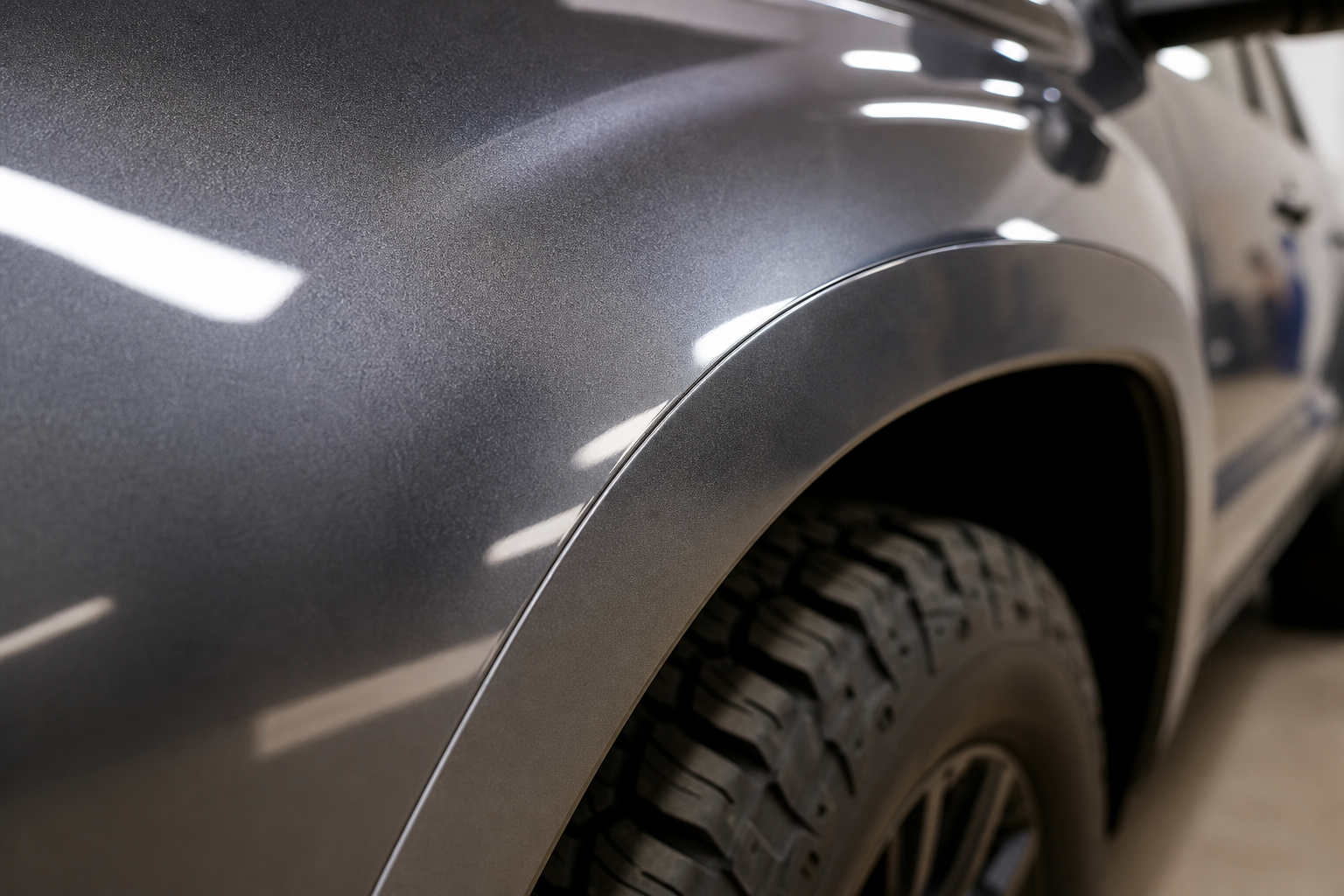
Clean edge work prevents lifting and keeps film looking factory-installed.
Frequently Asked Questions
What is paint protection film for commercial fleets Orange County?
Paint protection film for commercial fleets Orange County is a clear, durable polyurethane layer applied to work vehicles to shield paint and graphics from rock chips, sun exposure, and daily wear. It preserves the factory finish and keeps branded fleets looking professional for years.
How long does PPF last on a work truck?
Quality paint protection film typically lasts 7 to 10 years with proper care. Fleet vehicles driven year-round may see slightly shorter lifespans due to higher mileage and exposure.
Why do Orange County businesses invest in fleet PPF?
Businesses invest in fleet PPF to protect vehicle graphics, maintain a polished brand image, and reduce costly repaint or re-wrap expenses. It also helps preserve resale value when vehicles are rotated out of service.
How much does PPF cost for a commercial van?
Pricing varies based on coverage area, film type, and vehicle size, but partial-front packages generally cost less than full-vehicle coverage. Fleet discounts often apply when multiple vehicles are serviced together.
Is ceramic coating better than PPF for fleets?
Ceramic coating adds gloss and makes cleaning easier but does not stop physical impacts like rock chips. Many Orange County fleets combine both for maximum protection and shine.
How long does fleet PPF installation take?
A single vehicle typically takes one to three days depending on coverage level. Larger fleets are often scheduled in batches to minimize vehicle downtime.
What’s the biggest mistake fleets make when skipping paint protection?
The most common mistake is waiting until paint damage or faded graphics are visible before acting. By then, repainting or re-wrapping costs far more than preventive film installation.
Can PPF be installed over fleet graphics or wraps?
Yes, clear PPF can be layered over printed graphics or vinyl wraps to protect the artwork from fading and chipping. This combination is popular among Orange County fleets that rely on vehicle branding.
Does PPF help maintain resale value of fleet vehicles?
Yes, vehicles with intact paint and minimal chipping typically command higher resale or trade-in values. Fleet managers often see a faster return on investment when vehicles are rotated out after three to five years.
How do I maintain PPF on commercial vehicles?
Regular washing with pH-neutral soap and avoiding abrasive brushes keeps film clear and bubble-free. Periodic inspections catch edge lifting before it spreads.
What areas of a fleet vehicle need PPF most?
High-impact zones like the front bumper, hood, mirrors, and rocker panels face the most road debris. Full-front packages cover these areas comprehensively for daily-driven work vehicles.
Is self-healing PPF worth it for fleets?
Self-healing film uses heat to reverse light scratches and swirl marks, which is valuable for fleets that log heavy daily mileage. Many fleet operators consider it a worthwhile upgrade over standard film.
How often should fleet PPF be inspected?
A quarterly visual check is generally sufficient for most commercial fleets. Vehicles used in harsher conditions, such as highway-heavy routes, may benefit from more frequent inspection.
Does PPF protect against sun damage and UV rays?
Yes, most modern films include UV inhibitors that help prevent paint oxidation and graphic fading from prolonged sun exposure. This is especially relevant in Southern California’s high-UV climate, as noted by the EPA’s guidance on UV exposure.
Why choose OC Wraps for commercial fleet PPF in Orange County?
OC Wraps combines precision installation techniques with high-quality film to deliver clean, bubble-free results built for daily fleet use. The team serves Orange County businesses needing consistent protection across multiple vehicles, and you can learn more by visiting ocwraps.com.
Final Thoughts on Fleet Paint Protection
In summary, paint protection film for commercial fleets Orange County offers a practical way to keep work vehicles looking professional while reducing long-term repair and repaint costs. From UV resistance to impact protection, the benefits compound over years of daily use.
Above all, fleets that invest in preventive protection tend to spend less on reactive repairs down the road. As a result, choosing an experienced local installer and scheduling regular inspections pays off both in appearance and resale value. Businesses ready to protect their vehicles can reach out through OC Wraps to discuss fleet-specific film options.
