UV Protection Window Tinting Orange County: Full Guide
UV protection window tinting Orange County services give drivers a practical way to block harmful ultraviolet rays, cut interior heat, and protect upholstery from fading. Because Southern California sees intense year-round sun, many car owners now treat tint as essential protection rather than a cosmetic extra. In this guide, you’ll learn how UV-blocking film works, what makes ceramic options stand out, and how to choose an installer who gets it right the first time.
Quick Answer: UV protection window tinting Orange County is a film-based upgrade that blocks up to 99% of ultraviolet radiation, reduces cabin heat, and shields your dashboard, seats, and skin from sun exposure. Ceramic-based films offer the strongest combination of UV rejection, heat control, and clarity for daily driving.
What Is UV Protection Window Tinting?
UV protection window tinting Orange County is a professional service that applies a thin, optically clear or tinted film to vehicle glass, engineered specifically to filter out ultraviolet radiation. Unlike basic tint that primarily darkens windows for privacy, UV-focused film is built around polymer and ceramic layers designed to absorb or reflect UV wavelengths before they pass through. As a result, drivers and passengers experience less sun exposure, cooler cabin temperatures, and reduced fading of interior materials over time.
In particular, this matters in a region like Orange County, where sunny days are common throughout most of the year. Consequently, many vehicle owners view UV window film as a long-term protective investment rather than a short-term style choice.
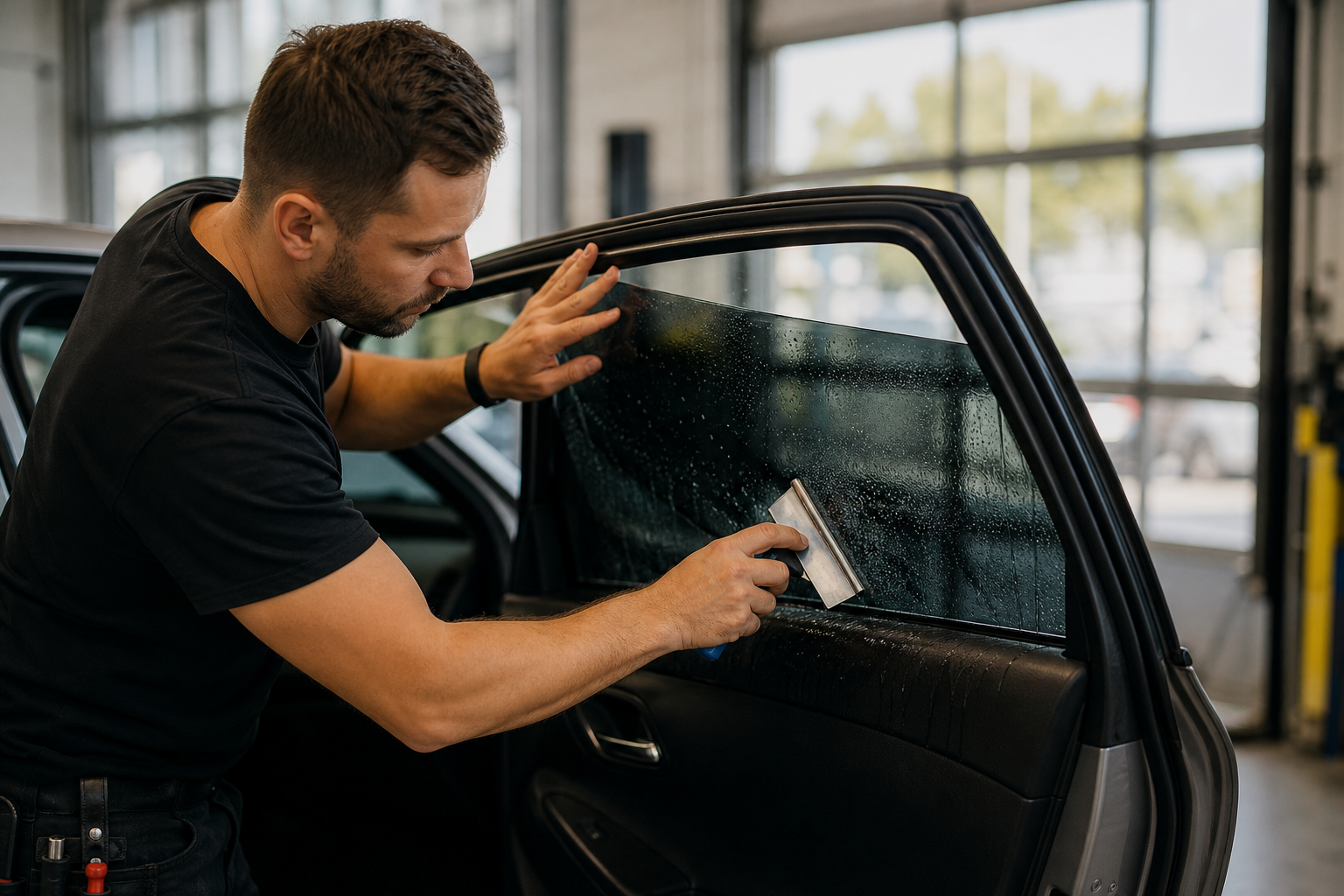
Professional installation ensures UV protection window tinting Orange County vehicles rely on performs consistently for years.
Why UV Protection Window Tinting Orange County Drivers Rely On
Orange County’s climate delivers high UV index readings for much of the year, which means skin, eyes, and vehicle interiors face near-constant exposure during daily commutes. According to the U.S. Environmental Protection Agency, UV radiation remains present even on cloudy days and can pass through standard automotive glass, especially UVA rays. Therefore, drivers who spend significant time behind the wheel face cumulative exposure similar to extended outdoor time.
Beyond health considerations, UV rays also break down dashboard plastics, fade upholstery, and crack leather over time. For this reason, protecting the cabin with quality film helps preserve resale value in addition to comfort. Specifically, ceramic-based options from ceramic window tint specialists are formulated to target both UV rejection and heat control simultaneously.
How Window Tinting Blocks Harmful UV Rays
Window film blocks UV radiation through multiple layers of specialized material, each designed to absorb or scatter specific wavelengths before they reach the glass surface. Dyed films work by absorbing light, while metalized and ceramic films use reflective or nano-ceramic particles that reject both heat and UV energy more efficiently. As a result, ceramic film typically outperforms older dyed technology without adding excessive darkness.
Furthermore, the Skin Cancer Foundation has noted that UVA rays penetrate ordinary window glass and contribute to premature skin aging, which makes film-based protection especially relevant for frequent drivers. Readers interested in the science behind film construction can review background information on window film composition for additional context.
Comparing Film Types for UV Rejection
Not all window films perform the same way, so comparing options side by side helps clarify which film suits specific needs.
| Film Type | UV Rejection | Heat Rejection | Longevity |
|---|---|---|---|
| Dyed Film | Moderate to High | Low to Moderate | 3–5 years |
| Metalized Film | High | High | 5–8 years |
| Ceramic Film | Very High (up to 99%) | Very High | 10+ years |
The Professional Installation Process
A clean, bubble-free finish depends heavily on proper technique, which is why professional installation matters more than most drivers realize. Below is the general process a qualified installer follows.
- Inspect the vehicle and select film: The installer reviews each window and helps select a film type and VLT percentage that balances legal compliance with performance goals.
- Clean and prep the glass: Every window surface is thoroughly cleaned to remove dirt, oils, and residue that could trap bubbles beneath the film.
- Cut the film to size: Film is precisely shaped, often using computerized patterns, to match the exact curve of each window.
- Apply and heat-shape the film: A slip solution allows positioning, while heat shrinking helps the film conform smoothly to curved glass without wrinkles.
- Cure and inspect: The film cures over several days, after which a final inspection checks for bubbles, lifted edges, or dust particles.
For a deeper breakdown of installation standards, see this complete window tint installation guide.
Ceramic Tint and High Heat Rejection Options
While UV protection remains the core benefit, many Orange County drivers also prioritize heat rejection for daily comfort. Ceramic tint uses nano-ceramic particles that reflect infrared heat without the signal interference sometimes associated with older metalized films. Additionally, these films maintain clarity and avoid the dark, mirror-like appearance some drivers want to avoid.
In fact, drivers researching maximum comfort should review options detailed in this high heat rejection window tint guide, which explains how different film grades compare for hot climates. Similarly, electric vehicle owners often have unique tinting needs, which are addressed in this resource on Tesla window tinting services.
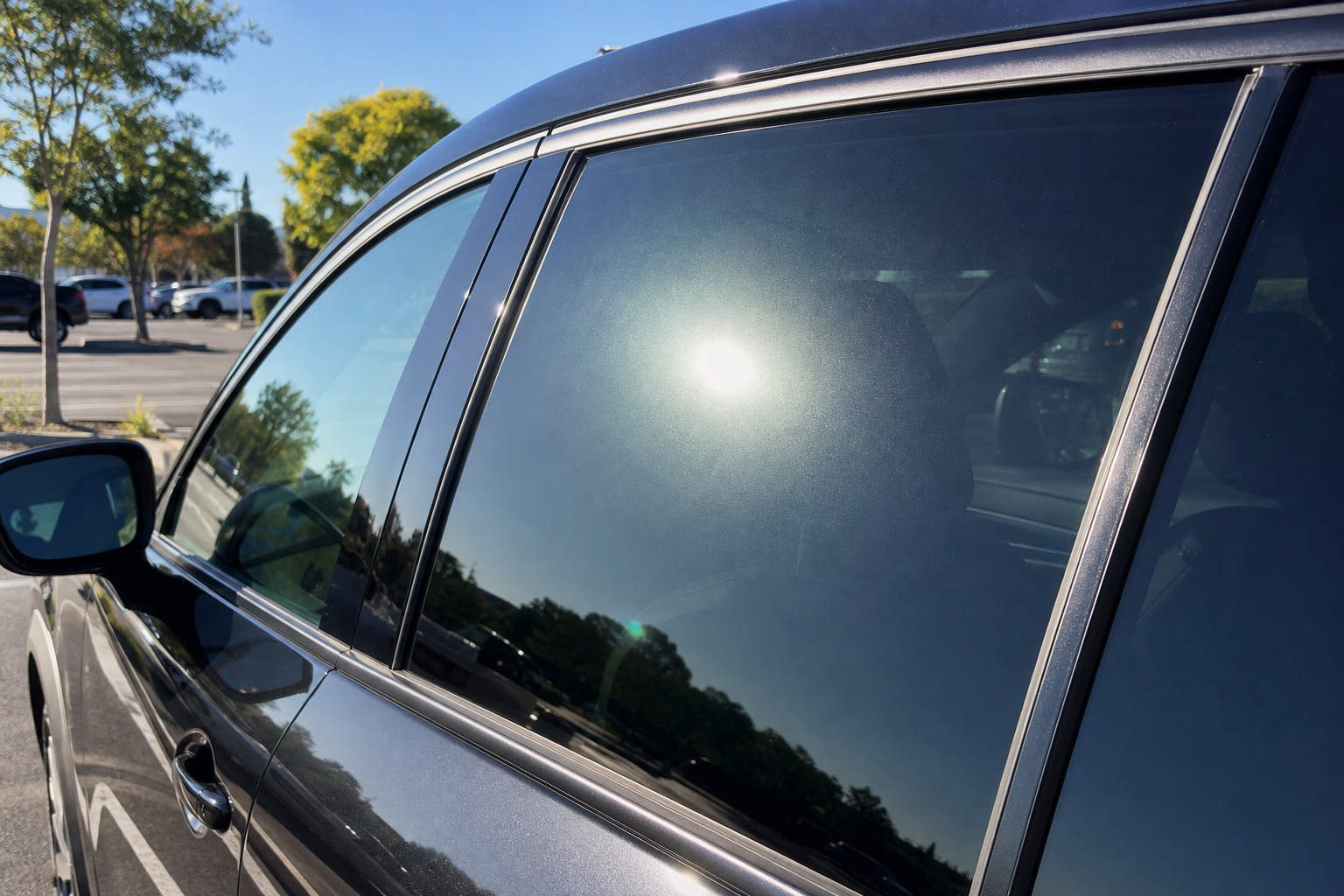
Ceramic film reflects solar energy while still allowing clear visibility for everyday driving.
What Factors Affect the Cost of UV Window Tinting?
Cost depends on several variables, including film grade, vehicle size, and the number of windows being treated. Basic dyed film tends to be the most affordable option, while premium ceramic film carries a higher price due to its manufacturing complexity and longer lifespan. However, many drivers find the added durability and UV performance worth the difference over a decade of ownership.
Moreover, commercial fleet owners often receive volume-based pricing when tinting multiple vehicles at once, which can make consistent protection more cost-effective across an entire fleet. Business owners researching fleet-wide consistency alongside branding can explore combined wrap and tint solutions through ocwraps.com.
Choosing the Right Installer in Orange County
Selecting a qualified installer matters just as much as choosing the right film. Above all, look for shops with a documented track record, clean workspace standards, and manufacturer-backed warranties on the film itself. In contrast, low-cost installers using unverified film sources often produce inconsistent results that bubble or discolor within a year or two.
Before booking an appointment, it also helps to review general tint knowledge, such as this overview of window tint services, so you know what questions to ask and what finish quality to expect.
Maintaining Your Tint for Long-Term UV Protection
Proper care extends the life of any window film investment. Specifically, drivers should avoid rolling down windows for several days after installation to allow full curing. Afterward, cleaning with ammonia-free products prevents streaking and preserves the film’s UV-blocking properties over time.
Additionally, parking in shaded areas when possible reduces unnecessary thermal stress on the film, even though quality ceramic tint is built to withstand daily sun exposure. As a result, combining smart habits with professional-grade film delivers the best long-term performance.
Frequently Asked Questions
What is UV protection window tinting?
UV protection window tinting is a thin film applied to vehicle glass that blocks most ultraviolet radiation while also cutting heat and glare. It protects skin, eyes, and interior surfaces from sun damage without eliminating visibility.
How much UV radiation does window tint block?
Quality window film typically blocks up to 99% of ultraviolet rays. This includes both UVA and UVB wavelengths, which are the main contributors to skin aging and sun damage.
Is UV protection window tinting Orange County legal for all vehicle windows?
No, California law restricts how dark tint can be on specific windows, especially the front side windows and windshield. A licensed installer familiar with state regulations can recommend compliant VLT percentages for each window.
How long does ceramic window tint last?
Ceramic window tint generally lasts 10 years or longer when professionally installed and properly maintained. It resists fading, bubbling, and discoloration far better than older dyed film technologies.
What’s the difference between UV protection tint and regular tint?
All quality window films block significant UV radiation, but ceramic and nano-ceramic films provide superior heat rejection without the signal interference older films can cause. Regular dyed tint mainly darkens glass for privacy with less heat and UV performance.
How much does UV protection window tinting cost in Orange County?
Pricing varies based on film type, vehicle size, and number of windows, typically ranging from a modest cost for basic dyed film to a higher investment for premium ceramic coverage. Requesting a quote based on your specific vehicle gives the most accurate number.
Can window tint protect against skin cancer risk?
While window tint is not a substitute for sunscreen, blocking UVA rays through car windows can meaningfully reduce cumulative sun exposure during driving. The Skin Cancer Foundation notes that UVA rays penetrate glass and contribute to skin aging and increased risk over time.
Does UV tinting fade over time?
Lower-quality dyed films can fade or turn purple within a few years of sun exposure. Ceramic-based films are engineered to resist fading and typically maintain performance for the life of the warranty.
How long does installation take?
A standard passenger vehicle usually takes two to four hours for full window tint installation, depending on the number of windows and film type. Commercial vehicles may take longer.
What’s the best VLT for UV protection?
UV protection is not tied to darkness level, since clear and lightly tinted ceramic films can block nearly as much UV as darker film. Choosing the right VLT depends on personal preference, visibility needs, and California’s legal limits.
What common mistakes should drivers avoid when choosing a tint installer?
Common mistakes include choosing the cheapest quote without checking film quality, skipping warranty details, and hiring installers without a clean, dust-controlled workspace. Bubbling, peeling, and uneven edges usually trace back to rushed installation.
Can UV window tint reduce interior heat?
Yes, ceramic UV protection films can reject a significant portion of solar heat, keeping cabin temperatures noticeably cooler on hot days. This reduces strain on the air conditioning system and improves comfort.
Does tinting void a car warranty?
Professionally installed window tint does not typically void a manufacturer’s vehicle warranty, since it is a cosmetic and protective addition rather than a mechanical modification. Drivers should still confirm with their dealership for specific concerns.
Why choose ceramic film over dyed film for UV protection?
Ceramic film blocks comparable or greater UV radiation than dyed film while adding far superior heat rejection and clarity without fading. For drivers prioritizing long-term UV protection window tinting Orange County performance, ceramic is generally the stronger investment.
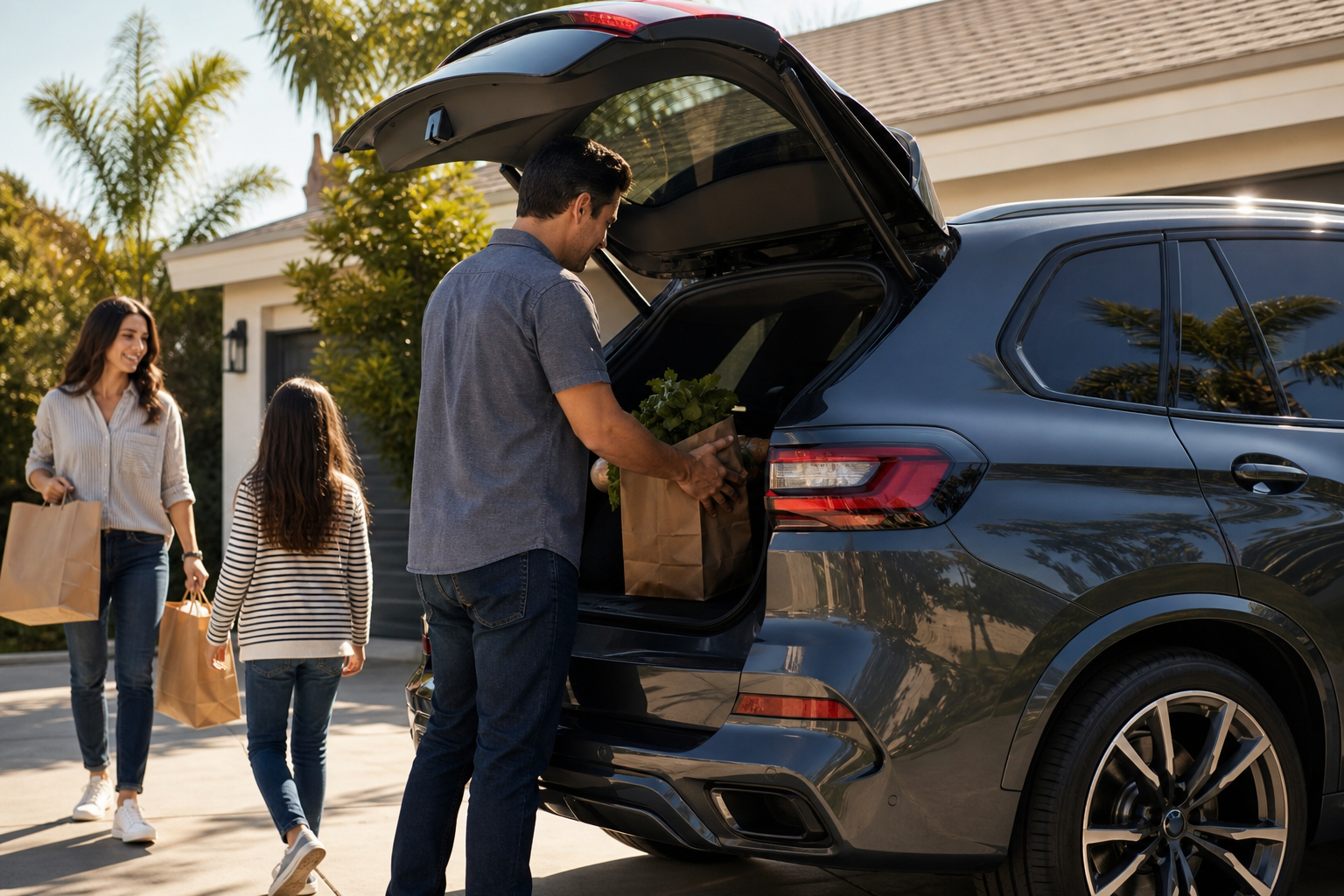
Everyday drivers benefit from cooler cabins and protected interiors thanks to professional tint.
Final Thoughts on Protecting Your Vehicle
Ultimately, UV protection window tinting Orange County drivers choose offers far more than a cosmetic upgrade. It shields skin and interior surfaces from harmful rays, reduces cabin heat, and helps preserve a vehicle’s value over time. Whether you’re drawn to ceramic film for its superior heat rejection or simply want reliable UV defense, working with an experienced installer ensures a clean, long-lasting result. For vehicle owners ready to explore options, visiting ocwraps.com is a practical next step toward a cooler, better-protected ride.
